
Planning a Commercial Outdoor Project? Answer These Questions Before You Bid
By the Custom Outdoor Structures team · Fairborn, Ohio · Building since 2004 · Updated
Short answer
Before bidding a commercial pergola, pavilion, deck or shade structure, align the owner team on the intended use, site conditions, decision-maker, budget process, required documents, approval path, schedule and operating constraints. Clear inputs help the team identify open questions early and compare proposals against the same goal.
What job should this space do?
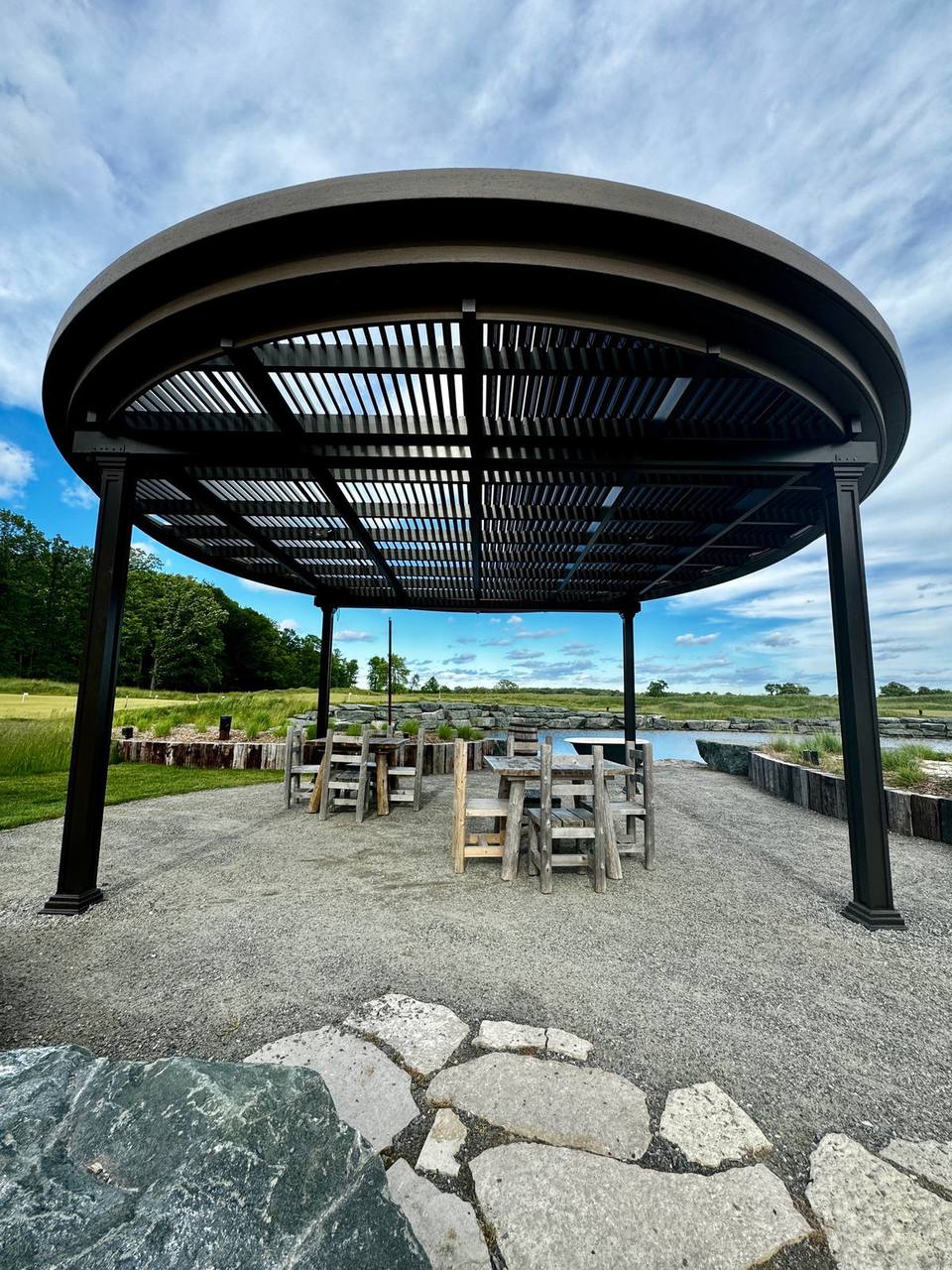
Describe the users and activity: restaurant dining, golf-course gathering, hotel pool use, club events, multifamily amenity or another purpose. What capacity or arrangement is desired? When is the space most used? Which paths, views, services and adjacent facilities must remain connected? A clear use case gives the design team a better starting point than a product name alone.
Identify the decision-maker and reviewers. Include the owner, operations lead, property manager, design team, procurement contact and anyone who must approve materials, budget or schedule. Confirm who consolidates feedback so conflicting directions are resolved early.
What is known about the site and review path?
Gather the address, site plan, survey, existing drawings, photos, utilities, drainage information, access limits and known property restrictions. List the building and zoning authorities, owner approvals, association rules or design review requirements that need confirmation. Requirements depend on the property and scope, so verify them with the responsible authorities and design professionals.
State which documents are ready and what remains to be developed. A contractor should be able to identify missing information and clarify whether design, engineering, permit documents, supply, installation or other work is part of its proposal.
What constraints shape a workable project?
List the target season, events, bid due date, material expectations, operating hours, access windows, staging area, parking, security and acceptable interruptions. Identify the procurement method and any alternates or documentation required. For a golf course, for example, explain course operations, cart paths, event calendars and guest circulation that could affect access and sequencing.
Ask the design and construction team to surface dependencies and unresolved risks in plain language. A realistic project conversation explains what is known, what needs investigation and which decisions are due next.
Build a useful project brief
One concise brief can include: project purpose; address and site contact; audience and use; approximate structure and scope; available plans and photos; requested features; approval and permit questions; schedule constraints; operations and access; bid format and due date; decision-makers; and open questions. Share it consistently with all bidders and update it when a material decision changes.
Frequently asked questions
- Which businesses commonly consider commercial pergolas or pavilions?
- Restaurants, hotels, golf courses, clubs, event venues, multifamily communities and institutions may consider outdoor structures based on the property’s needs and constraints.
- What should a commercial project brief contain?
- Include the property, intended use, scope, site information, desired features, reviews, schedule, operations, access, bid requirements, decision-makers and unresolved questions.
- Can COS review an early commercial project idea?
- COS invites commercial project discussions and bid requests through its commercial page. Share the property location, purpose, available plans and timing needs.